Welcome to LBR’s new blog series, featuring board games tips to help introduce tabletop gameplay to beginners! I admire and support creatives behind video games and board games alike. But the tabletop hobby can appear niche, and comes with a vast market that isn’t so friendly to newcomers.
So, I’m writing this series to help break down the barrier to entry for curious gamers! It’ll mostly cover the things that I wish I’d known before starting my tabletop journey years ago.
Board Games Are Only For Kids, Right?
I wasn’t always in the hobby! When I was younger, I also shared the common misconception that tabletop games (“TTG’s”) were basically toys.
That’s largely because of “Mass Market” products, classic board games like Monopoly or Jumanji. Or, maybe “Party Games” that involve social deduction or dexterity challenges.
You might even think of Dungeons & Dragons, tabletop roleplaying games that make the whole thing seem too nerdy or complicated for you. I happen to be a fan, delighted that Baldur’s Gate recently helped bridge that gap!
Truth is, tabletop games are just as varied as video games. Try to think of it like anime—broad enough to entertain just about anybody. There’s a lot more than trading card games like Magic: The Gathering.
Fortunately, I’ve found that the hobby gaming community is pretty friendly and patient. This makes it easier to ask questions and find your real interests.
What Does “Weight” Mean?
So, tabletop games can all have a unique “weight.” This score tells you how difficult the game is. Lighter games are easier to learn and play, while heavier games have a steep learning curve and complex systems.
Board Game Geek, or BGG, is a good resource to learn about specific games, and find their “Weight” score. BGG isn’t a board game store. You’ll find review scores, official descriptions, how-to-play videos, popular board games, and other essentials.
You can find TTGs at any difficulty level you need. While players compete in many of them, you can also find cooperative games where you get to work together. Some TTGs even have a story to explore, with thick campaign books.
Examples
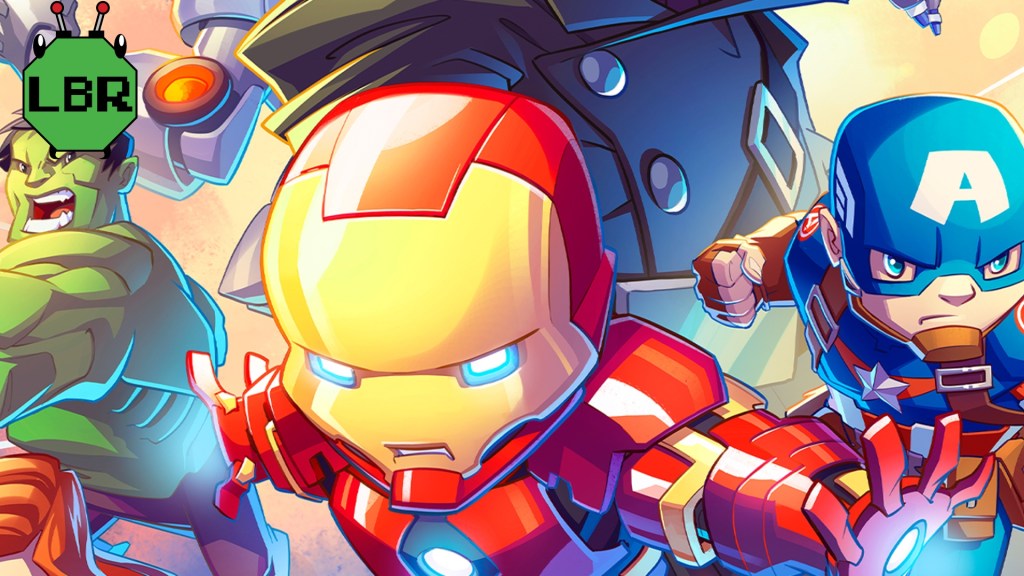
Check out Marvel United, one of my first reviews on LBR. Adults can probably learn this family-friendly game pretty quickly. But even though the rules themselves are simple, the gameplay tinkers with those rules to make engaging objectives.
Now, consider The Lord of the Rings: The Card Game. Little orange flag going up for that weight score. That alerts you that it’s a complex and tough game. It can include campaigns, lengthy rounds, deck-building, and what feels like 1,000 different effects to track on your table.
Conclusion
It’s tempting to jump right into tabletop games that look neat, especially if they include your favorite IP. In fact, I think familiar IP is a nice gateway to find the best board games for you.
But the wrong weight can crush your spirit if you open a rulebook that feels like tax season. And guess what? You can get there. Eventually. Learning to play tabletop games is like a muscle.
If you start out with easier games, it can build your confidence. It’ll also get you accustomed to certain gameplay mechanisms. Then, learning other games with the same mechanisms will be easier.
It’s like getting the hang of traditional racing video games before you get in the cockpit of ultra-realistic sims.
Fact is, the tabletop game and hobby market is very different than you thought. Follow the rest of my upcoming series to learn about the prices you should expect, where to support indie creatives, different genres, and more!
Support LBR and artists by reading more of our Tabletop and Video Game posts!
 Leaderboard Reviews